Espresso Channeling Prevention: Techniques & Tips
Channeling causes uneven extraction, bitter flavors, and wasted shots. This guide covers proven channeling prevention techniques including the WDT method, distribution tools, and tamping best practices that create uniform puck density for balanced espresso extraction.
What Is Espresso Channeling?
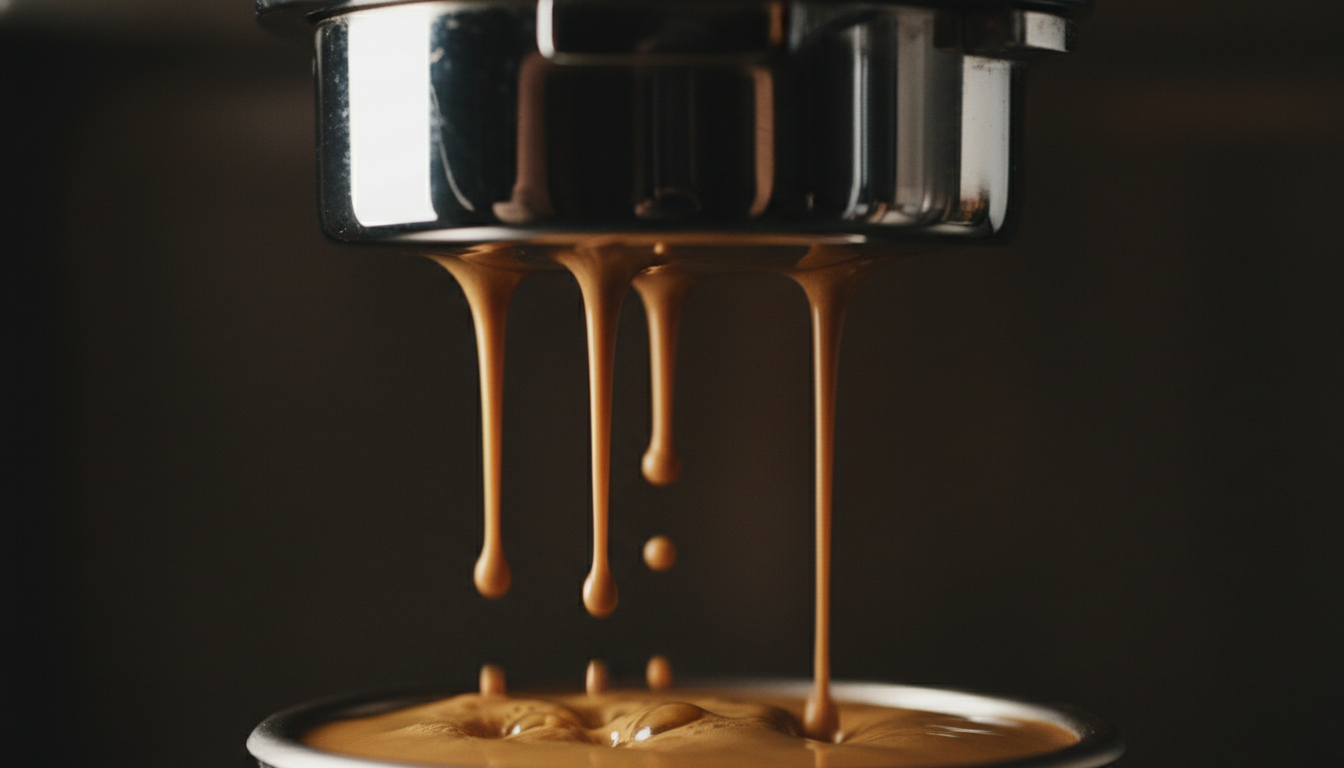
Channeling occurs when water finds paths of least resistance through the coffee puck. Water flows through channels instead of extracting evenly across the entire puck surface. Channeling produces uneven extraction, resulting in bitter and sour flavors simultaneously. The espresso shot shows visible spurts, blonding, or uneven flow from the portafilter.
Channeling causes include uneven distribution, inconsistent grind size, improper tamping technique, and channel-inducing equipment. Channeling prevention requires systematic puck preparation from grinding through extraction. Understanding channeling mechanics helps baristas implement effective prevention strategies.
WDT Technique for Channeling Prevention
Weiss Distribution Technique Explained
What WDT Accomplishes
WDT breaks up clumps and distributes grounds evenly throughout the portafilter basket. Clumps create density variations that cause channeling. WDT eliminates clumps through gentle stirring with thin needles or specialized tools. The technique creates uniform puck density before tamping.
WDT Tools and Materials
WDT tools use thin needles (0.3-0.4mm diameter) arranged in a circle or cross pattern. Commercial WDT tools offer ergonomic handles and adjustable needle depth. DIY alternatives include acupuncture needles, paper clips, or thin wire. Tool selection depends on basket diameter and personal preference.
WDT Execution Steps
- Insert WDT needles into the grounds at the basket edge
- Stir gently in circular motions moving toward the center
- Perform 5-10 complete rotations at consistent depth
- Lift vertically to avoid creating channels
- Tap portafilter gently to settle grounds
- Repeat if clumps remain visible
WDT Depth and Pressure
Insert needles to full depth without touching the basket bottom. Apply light pressure—WDT should stir, not compress. Deep insertion reaches clumps at the bottom that cause bottom-channeling. Consistent depth across the puck ensures even distribution throughout.
Distribution Tools for Even Puck Density
Types of Distribution Tools
Levelers (Distribution Tools)
Levelers spin to flatten and distribute grounds across the puck surface. Adjustable depth settings accommodate different doses and baskets. Spin 2-3 times without downward pressure. Levelers create consistent bed depth before tamping but do not address clumps.
Combining WDT and Leveler
The most effective approach combines WDT followed by leveler. WDT eliminates clumps and creates initial distribution. Leveler refines the top surface for consistent tamping. This combination addresses both deep and surface distribution issues.
Stockfleth's Move Alternative
The Stockfleth's Move distributes grounds using a finger swipe technique. Baristas sweep a finger across the basket top in a circular motion. This technique requires practice but achieves distribution without tools. Stockfleth's Move works best with consistent grind and dose.
Tamping Best Practices
Proper Tamping Technique
Tamping Pressure
Apply consistent pressure rather than maximum force. Research shows 15-20 pounds (7-9 kg) of pressure creates adequate puck density. Excessive force does not improve extraction and risks wrist injury. Consistency matters more than absolute pressure.
Level Tamping
Keep the tamper perfectly level during compression. Uneven tamping creates density gradients that cause channeling. Rest the tamper on the basket rim to establish a level reference. Apply pressure evenly across the tamper surface.
Tamp Polish
Perform a light polish spin after the main tamp. Rotate the tamper 90 degrees with minimal pressure. The polish smooths surface imperfections and removes loose grounds from the basket wall. Do not spin excessively as this can disturb puck structure.
Tamp-to-Basket Fit
Use a tamper that fits the basket with minimal clearance. Standard baskets require 58mm or 58.35mm tampers. Precision baskets need 58.5mm tampers. Proper fit prevents grounds from escaping around the tamper edges during compression.
Puck Prep Checklist
Follow this systematic puck preparation routine for consistent channeling prevention:
Step 1: Consistent Dosing
- Weigh coffee dose for consistency (±0.1g)
- Distribute grounds evenly during grinding
- Avoid mounding or uneven pile distribution
- Adjust dose for basket capacity (check manufacturer specs)
Step 2: WDT Application
- Perform WDT before any other distribution
- Make 5-10 complete stirring rotations
- Ensure needles reach full depth
- Lift vertically without dragging
Step 3: Distribution
- Use leveler or Stockfleth's Move after WDT
- Create flat, even bed surface
- Remove grounds from basket rim
- Verify level visually before tamping
Step 4: Tamping
- Apply consistent 15-20 lb pressure
- Maintain level tamper orientation
- Perform light polish spin
- Wipe basket rim clean
Step 5: Pre-Extraction Check
- Inspect puck surface for cracks or imperfections
- Lock portafilter smoothly without banging
- Start extraction within 10 seconds of tamping
- Observe flow for channeling indicators
Identifying and Diagnosing Channeling
Visual Channeling Indicators
- Spurting: Streams shooting sideways from the portafilter
- Blonding: Light-colored patches appearing during extraction
- Fast flow: Shot runs too quickly despite proper grind
- Uneven flow: One side extracts faster than the other
- Gushing: Uncontrolled rapid flow early in extraction
Post-Extraction Puck Analysis
- Cracked puck: Indicates dry pockets or tamping issues
- Hole in center: Classic sign of channeling
- Earthy appearance: Suggests uneven water distribution
- Soupy puck: May indicate basket overflow or poor distribution
Related Guides
Espresso Dialing In Troubleshooting
Comprehensive guide to diagnosing and fixing common espresso extraction problems.
Quick Espresso Dialing In Guide
Fast method for dialing in espresso with minimal waste.
Over-Extraction Flavor Profile
Identify and fix over-extraction issues that cause bitter flavors.
Under-Extraction Flavor Profile
Recognize and correct under-extraction for balanced shots.
Espresso Extraction Ratio Explained
Understand brew ratios and their impact on extraction quality.
Water Quality Impact on Dialing In
How water composition affects extraction and channeling prevention.
Key Takeaways
- → WDT eliminates clumps: The Weiss Distribution Technique breaks up grounds clumps that cause channeling through systematic needle stirring.
- → Distribution tools refine surface: Levelers and distribution tools create consistent bed depth for even tamping.
- → Consistent tamping matters: Apply 15-20 lb pressure with level orientation rather than maximum force.
- → Follow the checklist: Systematic puck preparation from dosing through extraction prevents channeling.
- → Watch for indicators: Spurting, blonding, and fast flow signal channeling requiring technique adjustment.