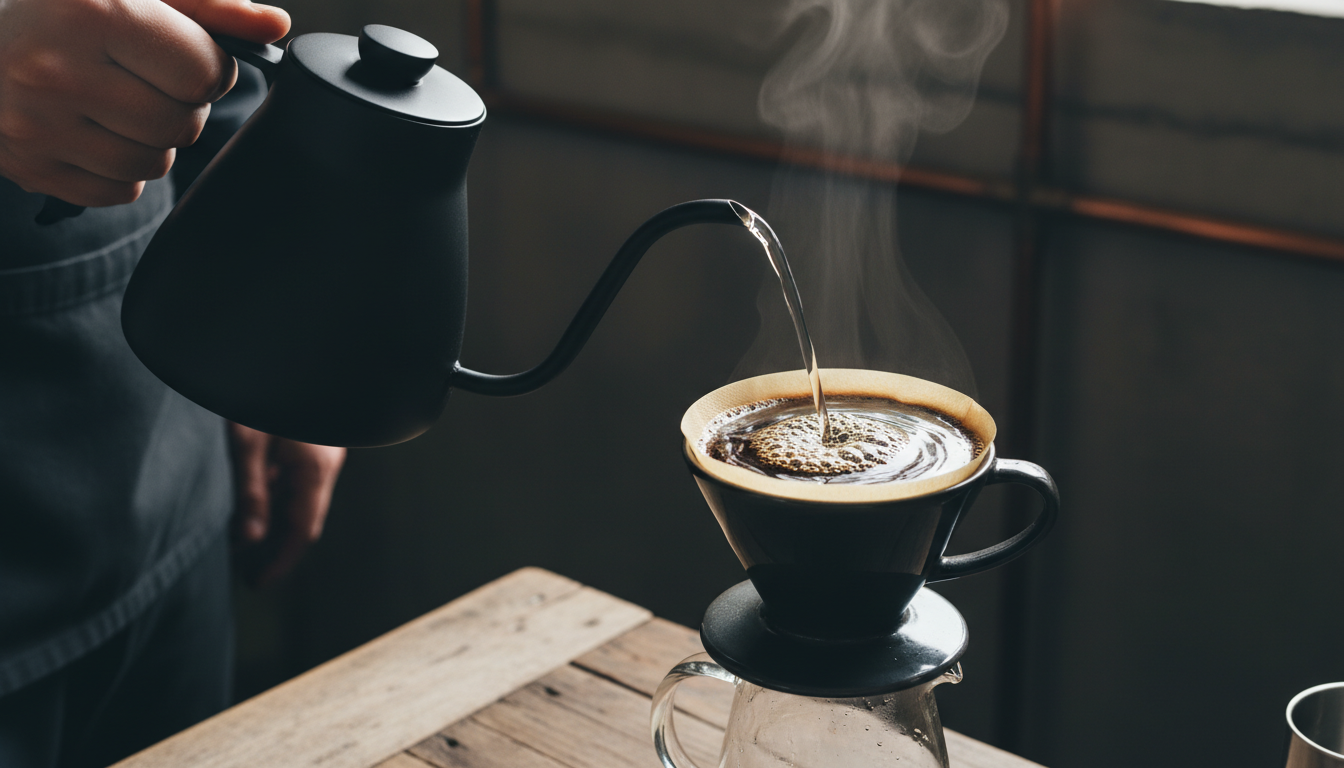
Water Quality Impact on Dialing In Espresso
Water comprises 98% of espresso. Water quality dramatically affects extraction, flavor, and machine longevity. This guide covers water hardness effects, mineral content requirements, and filtration recommendations for optimal espresso and equipment protection.
Water Hardness Effects on Extraction
Understanding Hardness
What Is Water Hardness?
Water hardness measures calcium and magnesium concentration. Temporary hardness (carbonate) precipitates when heated. Permanent hardness (non-carbonate) remains dissolved. Hardness affects extraction chemistry and scale formation. Espresso requires balanced hardness for optimal results.
Hard Water Effects
Hard water (high calcium/magnesium) extracts coffee compounds aggressively. Minerals bind with coffee acids and oils, altering flavor extraction. Excess hardness produces flat, chalky flavors and accelerates scale buildup. Hard water requires more frequent machine descaling.
Soft Water Effects
Soft water (low mineral content) extracts coffee weakly. Insufficient minerals fail to properly extract flavor compounds. Soft water produces thin, sour, under-extracted shots. Very soft water also corrodes metal machine components over time.
Optimal Hardness Range
Ideal espresso water hardness falls between 50-150 ppm (parts per million) as CaCO3. The Specialty Coffee Association recommends 75-150 ppm total hardness. Below 50 ppm produces weak extraction. Above 150 ppm risks scale and off-flavors.
Mineral Content Guide
Key Minerals for Espresso
| Mineral | Role in Extraction | Optimal Range (ppm) | Excess Effects |
|---|---|---|---|
| Calcium (Ca) | Primary hardness contributor, extraction aid | 20-80 | Scale buildup, chalky taste |
| Magnesium (Mg) | Enhances acidity perception, extraction | 10-40 | Bitter, metallic taste |
| Bicarbonate (HCO3) | Buffers acidity, affects pH | 40-80 | Flat, dull flavor |
| Sodium (Na) | Affects perception of sweetness | 10-30 | Salty taste |
| Chloride (Cl) | Enhances body and mouthfeel | 30-70 | Corrosion, salty taste |
| Sulfate (SO4) | Enhances bitterness, dry mouthfeel | 20-80 | Harsh, astringent |
Total Dissolved Solids (TDS)
TDS measures all dissolved substances in water. Optimal espresso water TDS ranges from 75-250 ppm. Below 75 ppm produces weak extraction. Above 250 ppm creates over-extraction and scale issues. TDS meters provide quick water quality assessment.
Filtration Recommendations
Filtration Options by Need
Activated Carbon Filters
Purpose: Remove chlorine, odors, and organic compounds
Best for: Municipal water with chlorine taste
Limitations: Do not remove hardness minerals
Recommendations: BWT, Brita, refrigerator filters. Replace cartridges per manufacturer schedule.
Water Softening (Ion Exchange)
Purpose: Remove calcium and magnesium, reduce hardness
Best for: Very hard water (>200 ppm), scale prevention
Limitations: Adds sodium, may over-soften
Recommendations: Consider bypass blending to maintain some hardness. Monitor sodium levels.
Reverse Osmosis (RO)
Purpose: Remove nearly all minerals and impurities
Best for: Very hard or contaminated water
Limitations: Removes all minerals—requires remineralization
Recommendations: Add remineralization cartridge or espresso mineral packets (Third Wave Water, Global Customized Water).
Espresso-Specific Filters
Purpose: Optimize water specifically for coffee extraction
Best for: Serious home baristas, cafes
Features: Maintain ideal hardness while removing chlorine
Recommendations: BWT Bestmax, Everpure Claris, Mavea Purity. Designed for coffee equipment.
DIY Remineralization
Purpose: Create optimal water from distilled/RO base
Best for: Control enthusiasts, limited local water options
Recipe: Add 0.5g baking soda + 1.5g Epsom salt to 4L distilled water
Alternatives: Pre-mixed mineral packets (easier, consistent)
Water Quality and Flavor Impact
How Water Affects Taste
Water Hardness and Flavor Balance
Magnesium enhances extraction of acidic and fruity compounds. Calcium contributes to body and crema formation. Balanced hardness creates complete flavor extraction. Too little hardness leaves coffee tasting flat and sour. Too much hardness mutes acidity and creates chalky texture.
Chlorine and Chloramine
Municipal water treatment chemicals create off-flavors in espresso. Chlorine produces medicinal, plastic-like tastes. Chloramine (alternative disinfectant) harder to remove than chlorine. Carbon filtration removes most chlorine but requires longer contact for chloramine. Always filter chlorinated water before brewing.
pH Balance
Optimal brewing water pH ranges from 6.5-8.0. Acidic water (low pH) corrodes equipment and produces sour extraction. Alkaline water (high pH) dulls acidity and creates flat flavor. Bicarbonate acts as pH buffer, stabilizing extraction. Most municipal water falls within acceptable pH range.
TDS and Extraction Efficiency
Water with existing dissolved solids extracts coffee differently than pure water. High TDS water has reduced capacity to dissolve coffee compounds. Low TDS water extracts aggressively but may over-extract quickly. Balanced TDS (75-250 ppm) provides optimal extraction dynamics.
Machine Protection Considerations
Scale Prevention and Equipment Longevity
Scale Formation
Hard water deposits calcium carbonate scale on heating elements. Scale reduces heating efficiency and extends warm-up time. Severe scale blocks water flow and damages pumps. Scale removal requires chemical descaling. Prevention through water treatment saves repair costs.
Corrosion Risks
Soft, acidic water corrodes brass, copper, and aluminum components. Low pH water damages boiler seals and gaskets. Chloride levels above 100 ppm accelerate corrosion. Balance protection against scale with corrosion prevention. Monitor water parameters regularly.
Descaling Schedule
- Soft water (<50 ppm): Every 12-18 months
- Moderate water (50-150 ppm): Every 6-12 months
- Hard water (150-250 ppm): Every 3-6 months
- Very hard water (>250 ppm): Every 1-3 months
- Signs needed: Slow water flow, extended heat-up, odd taste
Equipment-Specific Recommendations
- Boiler machines: Most susceptible to scale; prioritize water treatment
- Thermoblock machines: Prone to clogging; filter essential
- Heat exchangers: Descale per manufacturer schedule strictly
- PID machines: Temperature accuracy depends on clean heating elements
Testing and Monitoring
Water Quality Assessment
Home Testing Methods
- TDS meter: Measures total dissolved solids ($15-50)
- Water hardness test strips: Quick hardness assessment
- Aquarium test kits: Measure GH (general hardness), KH (carbonate)
- Municipal water reports: Annual reports detail local water composition
When to Test
- Before purchasing espresso equipment
- After moving to new location
- When filter cartridges are changed
- If espresso taste changes suddenly
- Seasonally (water sources change)
Professional Analysis
Consider professional water testing for serious setups. Tests provide complete mineral breakdown. Local water treatment companies offer testing. Coffee-specific water services available (rpavlis recipes, Third Wave Water). Professional analysis guides precise treatment decisions.
Water Recommendations by Source
| Water Source | Typical Issues | Recommended Treatment |
|---|---|---|
| Municipal (City) | Chlorine/chloramine, variable hardness | Carbon filtration + test hardness |
| Well Water | High hardness, iron, bacteria risk | Comprehensive testing + RO + remineralization |
| Softened Water | High sodium, low hardness | Blend with unsoftened or remineralize |
| Distilled/RO | No minerals, corrosive | Remineralization required |
| Bottled Spring | Variable, often too high TDS | Check label for mineral content |
Related Guides
Machine-Specific Dialing In Guide
Brand-specific recommendations including water requirements.
Espresso Dialing In Troubleshooting
Diagnose extraction issues including water-related problems.
Quick Espresso Dialing In Guide
Fast method assuming proper water quality.
Over-Extraction Flavor Profile
Identify over-extraction that can result from hard water.
Under-Extraction Flavor Profile
Recognize under-extraction from soft water.
Espresso Channeling Prevention
Water quality affects puck stability and channeling.
Key Takeaways
- → Water is 98% of espresso: Water quality directly impacts flavor extraction and machine longevity.
- → Target 50-150 ppm hardness: Too soft causes weak extraction; too hard causes scale and off-flavors.
- → Filter chlorine always: Carbon filtration removes taste-destroying disinfectants.
- → RO water needs remineralization: Pure water extracts poorly and corrodes equipment.
- → Descale regularly: Prevent scale buildup based on water hardness to protect investment.