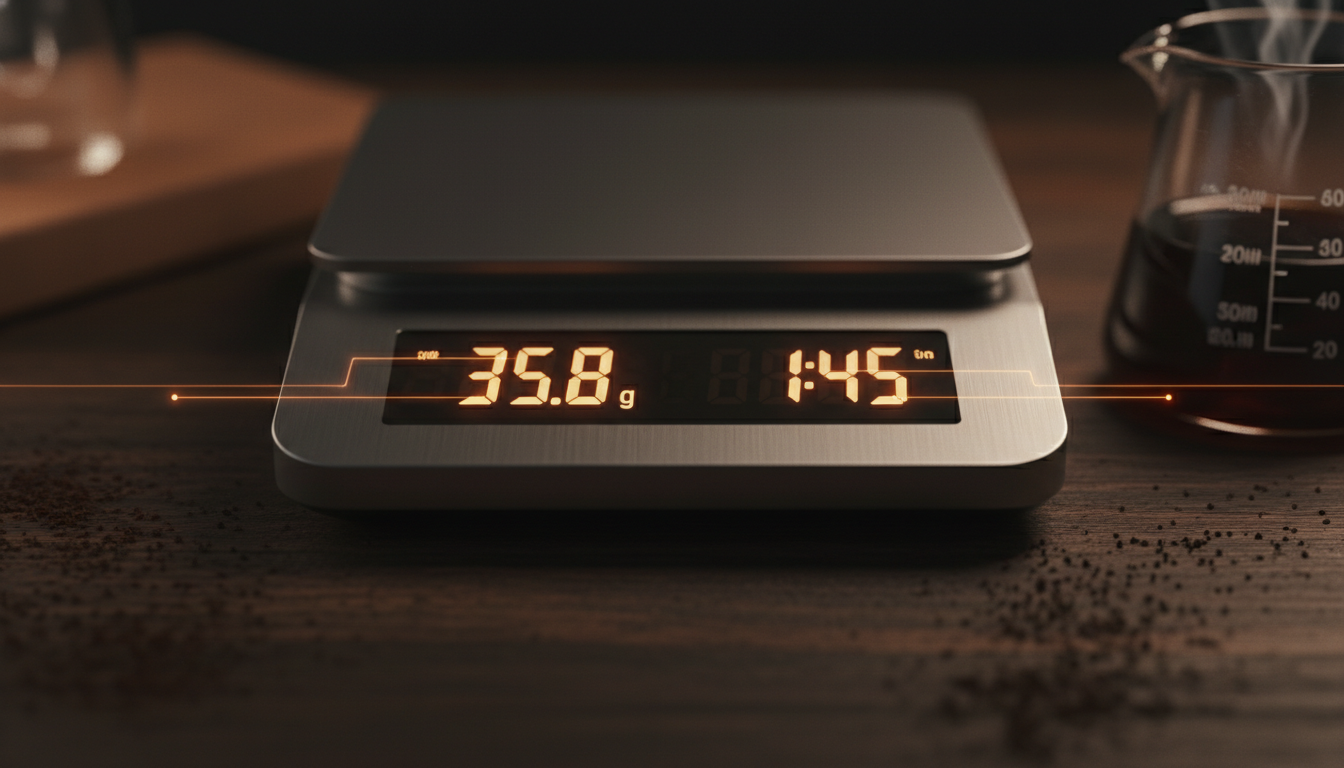
Espresso Extraction Ratio: 1:2 vs 1:3 Explained
Espresso extraction ratio (brew ratio) determines strength, body, and flavor balance. This guide explains ratio comparisons, taste impact analysis, and brewing recipes by ratio to help you choose the perfect extraction ratio for your preferences and beans.
Understanding Espresso Ratios
What Is Extraction Ratio?
Ratio Definition
Extraction ratio expresses the relationship between coffee dose (input) and beverage yield (output). Ratios appear as dose:yield (e.g., 1:2) or yield:dose. A 1:2 ratio means 18g of coffee produces 36g of espresso. The ratio directly affects strength, extraction percentage, and flavor balance.
Ratio and Strength
Shorter ratios (1:1.5, 1:2) produce stronger, more concentrated espresso. Longer ratios (1:2.5, 1:3) create milder, more diluted shots. Strength affects how espresso mixes with milk and how flavors present on the palate. Ratio selection depends on intended use and taste preference.
Ratio and Extraction
Longer ratios extract more total dissolved solids from the coffee. More water dissolves additional compounds, changing flavor profile. Extended ratios may extract bitter compounds if pushed too far. Optimal extraction balances ratio with grind size and time.
Ratio Comparison Table
Common Espresso Ratios
| Ratio | Dose:Yield | Common Names | TDS Range | Best For |
|---|---|---|---|---|
| 1:1 | 18g:18g | Ristretto | 12-15% | Intense shots, blends |
| 1:1.5 | 18g:27g | Lungo ristretto | 10-13% | Flavor intensity |
| 1:2 | 18g:36g | Normale, standard | 8-11% | All-purpose, balanced |
| 1:2.5 | 18g:45g | Allongé | 7-9% | Lighter roasts, clarity |
| 1:3 | 18g:54g | Lungo | 6-8% | Extended extraction, filter-like |
TDS (Total Dissolved Solids)
TDS measures the percentage of coffee solids dissolved in water. Higher TDS indicates stronger, more concentrated espresso. Standard espresso targets 8-12% TDS. TDS correlates with ratio but also depends on grind, time, and extraction efficiency.
Taste Impact Chart: 1:2 vs 1:3
Comparing Standard and Extended Ratios
| Characteristic | 1:2 Ratio (18g:36g) | 1:3 Ratio (18g:54g) |
|---|---|---|
| Strength | Higher, more intense | Lower, more dilute |
| Body | Thicker, syrupy | Lighter, tea-like |
| Acidity | Concentrated, intense | Spread out, softer |
| Sweetness | Intense, concentrated | Extended, complex |
| Bitterness | Less extracted | More risk of extraction |
| Flavor Clarity | Concentrated notes | Extended development |
| Milk Integration | Stands up to milk | May get lost in milk |
| Best Roast | Medium to dark | Light to medium |
Brewing Recipes by Ratio
Ratio-Specific Recipes
1:1.5 Ristretto Recipe (Intense)
- Dose: 20g
- Yield: 30g
- Time: 25-30 seconds
- Grind: Fine
- Best for: Traditional Italian blends, dark roasts, milk drinks
- Flavor: Intense, syrupy, concentrated sweetness
1:2 Standard Recipe (Balanced)
- Dose: 18g
- Yield: 36g
- Time: 25-30 seconds
- Grind: Medium-fine
- Best for: All-purpose, most roasts, straight espresso
- Flavor: Balanced, full-bodied, versatile
1:2.5 Allongé Recipe (Extended)
- Dose: 18g
- Yield: 45g
- Time: 28-35 seconds
- Grind: Medium-fine to medium
- Best for: Light roasts, single origins, clarity-focused
- Flavor: Complex, nuanced, brighter acidity
1:3 Lungo Recipe (Filter-Style)
- Dose: 18g
- Yield: 54g
- Time: 30-40 seconds
- Grind: Medium
- Best for: Light roasts, extended extraction experiments
- Flavor: Tea-like, delicate, lower intensity
Choosing the Right Ratio
Choose Shorter Ratio (1:1.5-1:2) When:
- Using medium to dark roasts
- Preparing milk-based drinks
- Seeking intensity and body
- Working with traditional blends
- Using espresso in baking/cooking
Choose Longer Ratio (1:2.5-1:3) When:
- Using light roasts
- Drinking straight espresso
- Seeking clarity and nuance
- Working with single origins
- Experimenting with extraction
Ratio Selection by Drink Type
| Espresso (straight) | 1:2 to 1:2.5 |
| Cappuccino/Latte | 1:1.5 to 1:2 |
| Americano | 1:2 to 1:2.5 |
| Long Black | 1:2 to 1:2.5 |
| Macchiato | 1:1.5 to 1:2 |
Ratio Adjustment Tips
Grind Compensation
Longer ratios require slightly coarser grinds to maintain proper extraction time. Shorter ratios need finer grinds for adequate extraction. Compensate grind size when changing ratios to maintain 25-30 second extraction window.
Dose Considerations
Higher doses (20g+) suit shorter ratios for intensity. Standard doses (18g) work across all ratios. Lower doses (15g) pair well with longer ratios. Maintain consistent dose when experimenting with ratio changes.
Time Targets by Ratio
- 1:1.5: 20-25 seconds (shorter contact time)
- 1:2: 25-30 seconds (standard)
- 1:2.5: 28-32 seconds (extended)
- 1:3: 30-40 seconds (long contact)
Taste-Based Fine-Tuning
If ratio-adjusted shot tastes sour, try slightly finer grind or extend ratio. If bitter, try coarser grind or shorten ratio. Ratio and grind work together—adjust both for optimal results.
Related Guides
Quick Espresso Dialing In Guide
Fast method for finding optimal ratio for new beans.
Over-Extraction Flavor Profile
Identify when extended ratios extract too much.
Under-Extraction Flavor Profile
Recognize when short ratios under-extract.
Espresso Dialing In Troubleshooting
Fix ratio-related extraction problems.
Espresso Grind for Flat Burr Grinder
Adjust grind for different ratios.
Espresso Grind for Conical Burr Grinder
Ratio-specific grind adjustments.
Key Takeaways
- → 1:2 is the standard: Most espresso uses 1:2 ratio for balanced strength and extraction.
- → Shorter ratios increase intensity: 1:1.5 creates concentrated ristretto shots.
- → Longer ratios increase clarity: 1:2.5-1:3 suits light roasts and single origins.
- → Adjust grind with ratio: Longer ratios need coarser grinds to maintain proper time.
- → Match ratio to drink: Milk drinks need shorter ratios; straight espresso suits longer ratios.