How-To
How to Make Espresso Without Machine
Step-by-step guide to making espresso-style coffee using alternative brewing methods.
⏱ 12 MIN READ
READ How-To →
Step-by-step instructions for Aeropress Espresso, written for home baristas of all experience levels. Covers the equipment needed, the complete process, and troubleshooting tips for the most common mistakes.
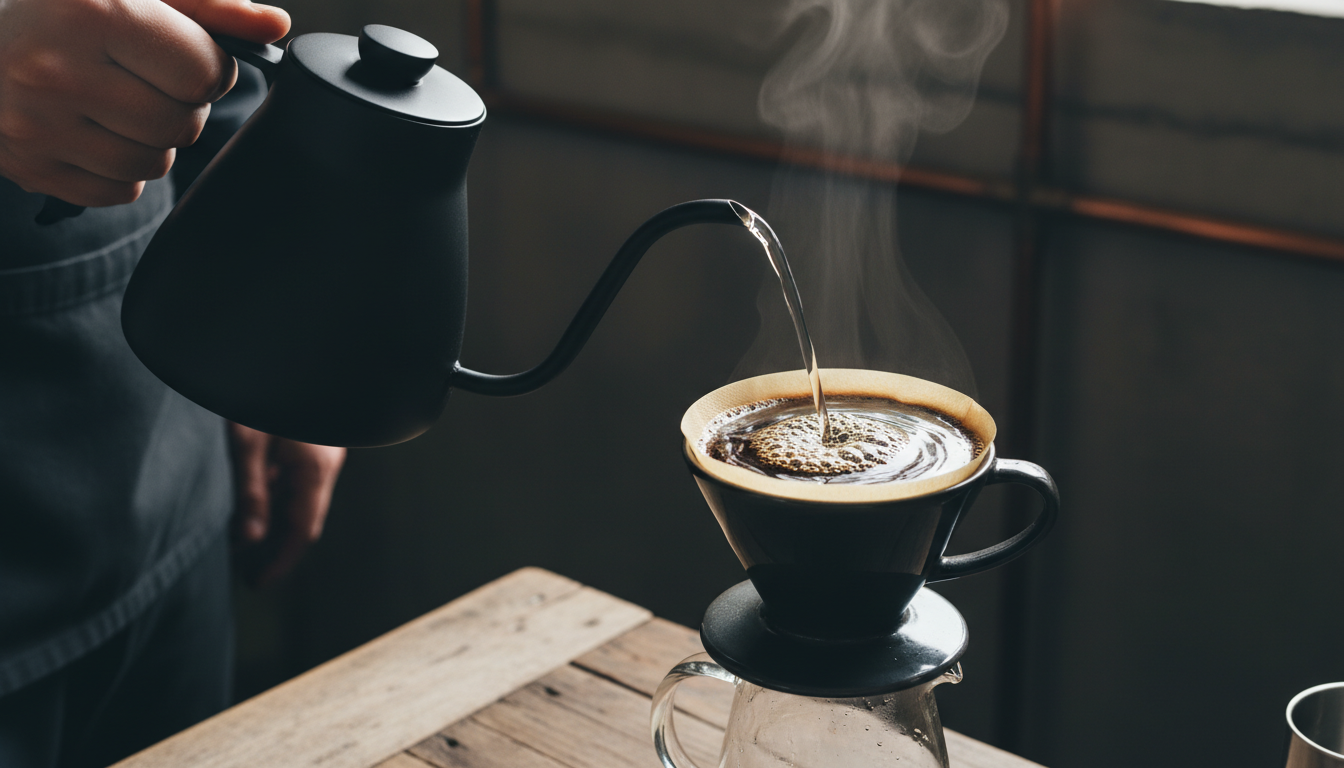
Grind 17-18g coffee → Heat water to 200°F → Bloom for 45 seconds → Add water → Steep 1-2 minutes → Press slowly → Serve immediately
The AeroPress produces espresso-style coffee without requiring an expensive espresso machine. The brewing process takes 8-12 minutes total and produces a strong, concentrated cup suitable for milk drinks or straight shots. If you are choosing between alternative methods, compare this workflow with the manual espresso maker guide and the how to make espresso without a machine guide.
🎯 Key to success: Use fresh-ground coffee, maintain proper water temperature, and adjust grind size based on taste feedback.
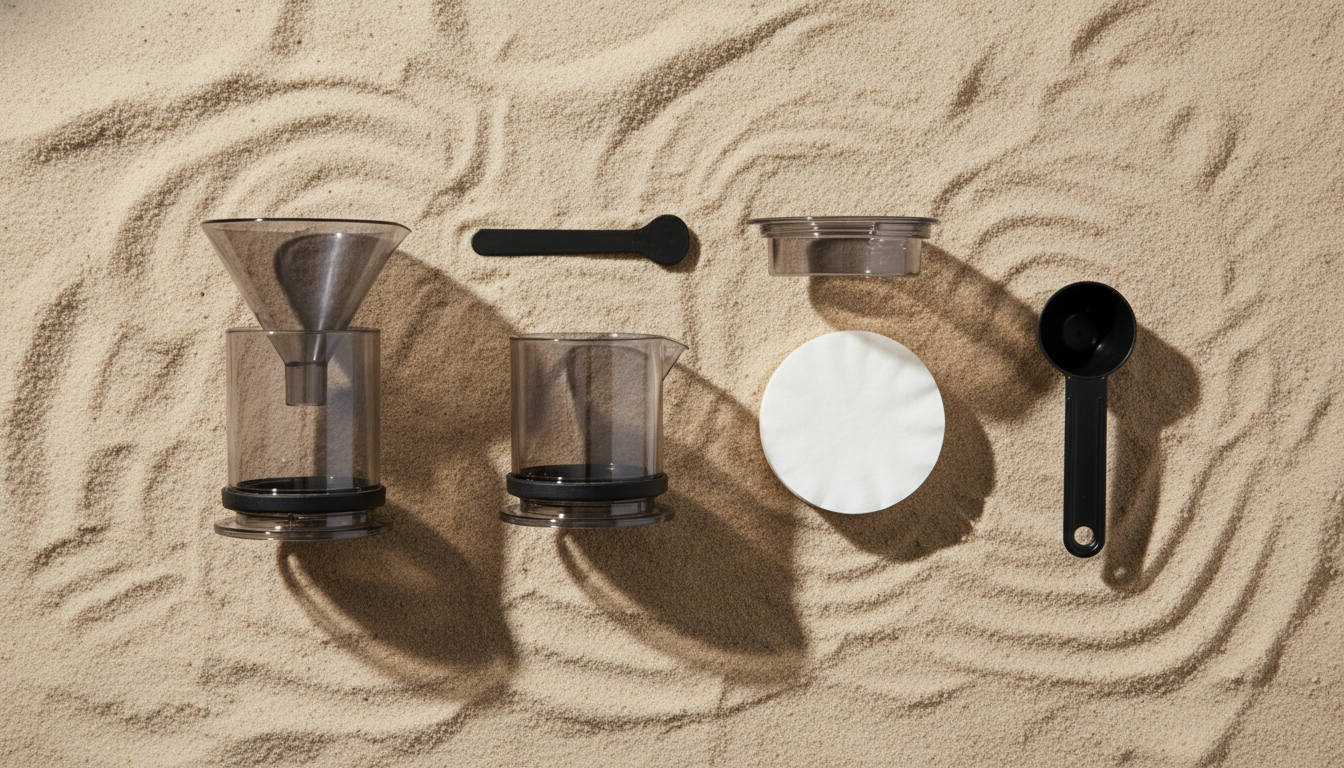
The AeroPress requires minimal equipment to produce excellent espresso-style coffee. Most items are inexpensive and widely available. A burr grinder is the most important investment after the AeroPress itself. For grinder recommendations, see the best burr grinder for espresso guide which covers options at various price points.
Purpose
Primary brewing device
Notes
Standard or Go model both work; Go is more portable
Purpose
Grind coffee to proper consistency
Notes
Manual or electric; consistency matters more than price
Purpose
Pour water with precision and control
Notes
Optional but improves consistency and control
Purpose
Measure coffee and water by weight
Notes
Essential for consistency and reproducibility
Purpose
Strain grounds from brewed coffee
Notes
Paper or metal filters; paper produces cleaner cup
Purpose
Monitor water temperature
Notes
Optional but helps optimize extraction
Follow these nine steps to brew excellent espresso-style coffee with the AeroPress. Each step builds on the previous one to create proper extraction and flavor development. The underlying variables work the same way they do in the espresso extraction yield guide, the espresso brew ratio guide, and the espresso water temperature guide.
Grind 17-18 grams of coffee to medium-fine consistency (similar to table salt). Use fresh beans roasted within 2-4 weeks. Grind immediately before brewing to preserve aromatics.
💡 Consistent grind size is more important than grinder price. Adjust grind finer or coarser based on taste feedback.
Heat water to 195-205°F (90-96°C). Boil water and let cool for 30-45 seconds, or use a thermometer to reach target temperature. Water temperature significantly impacts extraction.
💡 If you don't have a thermometer, boil water and wait 30-45 seconds before pouring. Cooler water (195°F) produces brighter, more acidic coffee; hotter water (205°F) produces fuller body.
Place a paper or metal filter in the basket. Rinse the filter with hot water to remove paper taste and preheat the chamber. Screw the basket onto the main chamber.
💡 Rinsing the filter improves clarity and removes papery flavors. Metal filters produce fuller body; paper filters produce cleaner cup.
Pour ground coffee into the chamber. Use 17-18 grams for espresso-style strength, or adjust to taste preference. Level the grounds gently without pressing.
💡 Weigh coffee on a scale for consistency. More coffee produces stronger, more concentrated brew; less coffee produces lighter, more delicate cup.
Pour just enough hot water to saturate the grounds (about 50ml). Wait 30-45 seconds to allow coffee to bloom and release gases. This improves extraction and flavor clarity.
💡 Blooming is optional but recommended for better flavor. Use a gooseneck kettle for precise pouring control.
Pour remaining water slowly and steadily until you reach the desired total (typically 200-220ml for espresso-style). Pour in a circular motion to ensure even saturation.
💡 Total water weight should be about 11-13x the coffee weight. For 17g coffee, use 187-221g water. Adjust based on taste preference.
Stir the coffee-water mixture for 10-15 seconds using the stirrer included with the AeroPress. This ensures even extraction. Wait 1-2 minutes for steeping.
💡 Longer steeping time (2-3 minutes) produces stronger, more concentrated brew. Shorter steeping (1 minute) produces lighter, more delicate cup. Stir gently to avoid splashing.
Attach the plunger to the top of the chamber. Press down slowly and steadily over 20-30 seconds. You should hear a hissing sound as the last bit of coffee is pressed through.
💡 Slow, steady pressure produces better extraction than fast pressing. Stop pressing when you hear a hissing sound; this indicates all extractable coffee has been pressed out.
Remove the plunger and flip the AeroPress over a trash can. Press the plunger all the way down to eject the spent grounds and filter. Serve immediately.
💡 Serve immediately while coffee is hot. The brewed coffee is concentrated; dilute with hot water for Americano-style strength if desired.
The AeroPress is highly flexible, allowing customization for different coffee types and flavor preferences. These recipe variations demonstrate how to adjust parameters for specific results. Bean choice matters here, so the best coffee beans for espresso guide and the espresso grind size chart are useful companions.
Coffee Amount
17-18g
Water Amount
200-220ml
Water Temperature
200°F (93°C)
Bloom Time
30-45 seconds
Steep Time
1-2 minutes
Press Time
20-30 seconds
Resulting Strength
Strong, concentrated, espresso-like
✓ Milk drinks, straight shots
Coffee Amount
15g
Water Amount
180-200ml
Water Temperature
195°F (90°C)
Bloom Time
30 seconds
Steep Time
1 minute
Press Time
20 seconds
Resulting Strength
Light, delicate, tea-like
✓ Single-origin showcases, light roasts
Coffee Amount
20g
Water Amount
240-260ml
Water Temperature
205°F (96°C)
Bloom Time
45 seconds
Steep Time
2-3 minutes
Press Time
30 seconds
Resulting Strength
Bold, full-bodied, rich
✓ Dark roasts, milk-based drinks
Coffee Amount
17-18g
Water Amount
200-220ml
Water Temperature
200°F (93°C)
Bloom Time
30 seconds
Steep Time
2-3 minutes
Press Time
20-30 seconds
Resulting Strength
Enhanced extraction, fuller body
✓ Advanced users, maximum flavor
When your Aeropress coffee doesn't taste right, systematic adjustments to grind, temperature, or timing fix the problem. Use taste feedback to guide your adjustments. The same diagnosis logic used in the how to dial in espresso guide and the espresso shot anatomy guide can help you interpret thin, sour, or overly bitter cups.
Root Cause
Under-extraction (insufficient contact time or grind too coarse)
Solutions to Try
✓ More sweetness, fuller body, better balance
Root Cause
Over-extraction (too long steeping or grind too fine)
Solutions to Try
✓ Cleaner taste, less bitterness, brighter acidity
Root Cause
Insufficient coffee amount or too much water
Solutions to Try
✓ Stronger, more concentrated brew
Root Cause
Grind size or water amount incorrect
Solutions to Try
✓ Smooth, steady pressure throughout press
Root Cause
Brewed coffee is too dilute or cup is cold
Solutions to Try
✓ Coffee stays hot longer
No, AeroPress coffee is not true espresso because it doesn't use 9+ bars of pressure. However, AeroPress produces espresso-style coffee with similar strength and body. It's an excellent alternative for home baristas without espresso machines.
Use a medium-fine grind, similar to table salt. This is finer than pour-over but coarser than true espresso. Start with medium-fine and adjust finer or coarser based on taste feedback.
The complete process takes 8-12 minutes from start to finish, including heating water, grinding, brewing, and pressing. Most of this time is waiting for water to heat and coffee to steep.
Pre-ground coffee works but produces inferior results. Ground coffee loses aromatics quickly after grinding. Fresh-ground coffee produces noticeably better flavor and clarity.
Paper filters produce a cleaner, brighter cup by removing more oils. Metal filters produce a fuller-bodied cup with more oils and sediment. Both work well; choose based on your flavor preference.
The standard AeroPress makes one 8-10 oz cup. You can brew multiple times in succession, or use the AeroPress Go which is slightly larger. Some users brew double batches by brewing twice.
Step-by-step guide to making espresso-style coffee using alternative brewing methods.
Complete guide to selecting and using the AeroPress for excellent coffee.
Step-by-step process for dialing in espresso shots using extraction time and taste.
Complete guide to lever-based and manual espresso makers for home use.