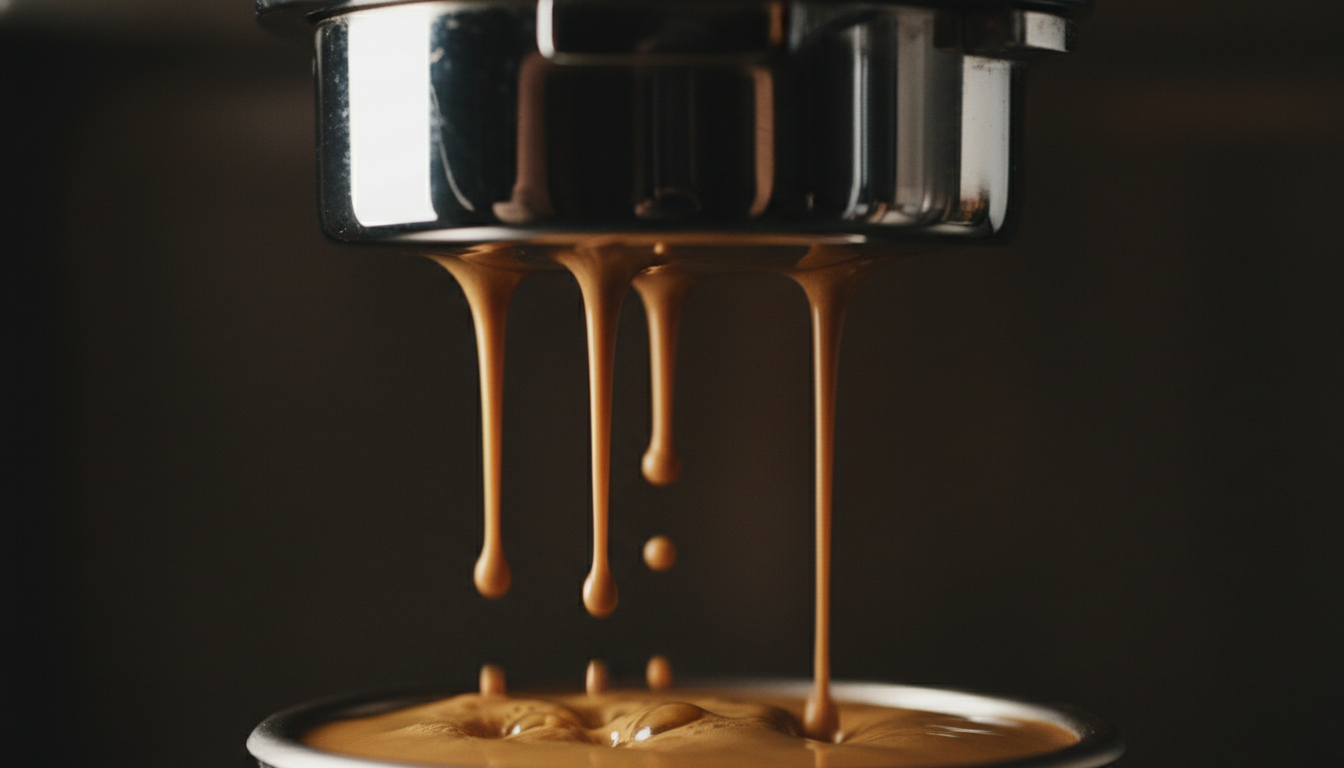
God Shot Coffee Quick Answer
A God Shot is espresso slang for an espresso shot that achieves exceptional balance across sweetness, clarity, body, and aftertaste. God Shot meaning varies by barista and by espresso style, but a God Shot usually indicates a highly dialed-in grind setting, stable brew temperature, consistent puck preparation, and a well-matched coffee roast profile. God Shot consistency requires controlling dose, yield, time, temperature, and pressure.
God Shot is an espresso culture term that describes an unusually memorable espresso shot. God Shot usage became popular as espresso enthusiasts sought a short phrase for the best possible result from a specific coffee, grinder, espresso machine, and barista workflow. God Shot outcomes are rare because espresso extraction is sensitive to small changes in grind distribution, puck resistance, and brew-water temperature.
God Shot pursuit is useful when God Shot pursuit drives repeatable process improvements. A consistent espresso workflow produces better espresso on average, even when a literal God Shot remains an occasional outcome.
What a God Shot Is in Espresso
God Shot Definition
A God Shot is an espresso shot that tastes unusually balanced and expressive for a specific coffee. A God Shot commonly shows high sweetness, clear flavor notes, controlled acidity, and a clean finish. A God Shot usually occurs when espresso extraction reaches a favorable extraction yield range and when espresso concentration (strength) matches the coffee roast profile.
God Shot as a Variable-Combination Outcome
A God Shot is not a single recipe. A God Shot depends on coffee freshness, grinder particle-size distribution, espresso machine temperature stability, and puck preparation technique. A God Shot can occur at 1:2 ratio, 1:1.5 ratio, or even 1:2.5 ratio depending on the coffee and the desired taste profile.
Why God Shots Are Rare
Espresso Extraction Sensitivity
Espresso extraction responds strongly to small changes in grind size and puck resistance. A small grind change can shift espresso shot time by multiple seconds. A small puck distribution problem can cause channeling, which reduces extraction even when espresso shot time looks normal.
Temperature and Pressure Variability
Espresso machine temperature drift changes extraction rate and changes perceived acidity and bitterness. Pressure profiling and pump pressure changes also influence flow rate and extraction uniformity. Machines that advertise high pressure can still produce unstable extraction without stable flow and stable temperature.
Coffee Freshness and Degassing
Coffee degassing changes daily after roast. Espresso extraction behavior often changes across days 3–21 after roast for many coffees. A coffee that produced a great shot yesterday can extract differently today when carbon dioxide content changes.
God Shot Dialing In Process
Start with a Repeatable Espresso Baseline
A repeatable espresso baseline usually starts with an 18 g dose, a 36 g yield (1:2 ratio), and a 25–30 second shot time. A repeatable espresso baseline makes grind changes easier to interpret. A repeatable espresso baseline also improves shot-to-shot comparison.
Use Taste to Direct Grind Changes
Sour espresso often indicates under-extraction, which can respond to a finer grind or higher brew temperature. Bitter espresso often indicates over-extraction, which can respond to a coarser grind or a shorter yield. A consistent tasting rubric helps identify whether acidity, bitterness, and sweetness are moving in the correct direction.
Reduce Channeling Risk
Channeling reduces extraction uniformity and reduces clarity. Distribution tools, consistent tamp pressure, and proper basket filling reduce channeling risk. Non-pressurized baskets reveal channeling more clearly than pressurized baskets because non-pressurized baskets rely on puck resistance.
God Shot-Adjacent Espresso Styles
Ristretto for Sweetness and Concentration
Ristretto espresso uses a shorter yield than standard espresso and often highlights sweetness and dense mouthfeel. A ristretto-style God Shot usually emphasizes syrupy body and reduced bitterness compared to longer shots.
Lungo for Higher Volume and Different Balance
Lungo espresso increases yield and can increase bitterness if extraction extends too far. A lungo-style God Shot is rarer for many coffees because longer yield can pull more bitter compounds, but a lungo can work for specific roast profiles and specific recipes.
Frequently Asked Questions About God Shots
Is a God Shot a real technical standard?
God Shot is not a formal standard like SCA brew ratios or espresso recipe definitions. God Shot is an espresso culture term used to describe an exceptional outcome. Espresso improvement still benefits from measurable variables: dose, yield, time, temperature, and pressure.
Does a God Shot require an expensive espresso machine?
A God Shot does not require the most expensive espresso machine, but a God Shot becomes more likely when espresso temperature stability improves and when grind consistency improves. A capable espresso grinder often creates larger gains than a machine upgrade.
Does a God Shot require fresh coffee?
Fresh coffee usually increases the chance of a great espresso shot because volatile aromatics remain more present. Extremely fresh coffee can also increase channeling risk due to high carbon dioxide. Many espresso workflows perform best after a short degassing period.
Related Resources
Extraction Science Guide
Learn extraction yield, strength, and extraction balance concepts
How to Dial In Espresso
Use a repeatable dialing-in workflow for grind and yield
Pressurized vs Non-Pressurized Baskets
Understand basket choice and channeling visibility
15 Bar vs 9 Bar Espresso
Understand pressure claims and espresso extraction reality
Ristretto Shot Guide
Explore shorter yields and more concentrated recipes
How to Make a Lungo
Explore longer yields and how yield shifts flavor balance