Technique
How to Dial In Espresso
Step-by-step process for dialing in espresso shots using extraction time and taste.
⏱ 12 MIN READ
READ Technique →
A visual espresso grind size chart showing the difference between fine, medium-fine, and coarse grinds. Learn how grind size affects extraction time and espresso flavor, with adjustment tips for dialing in.
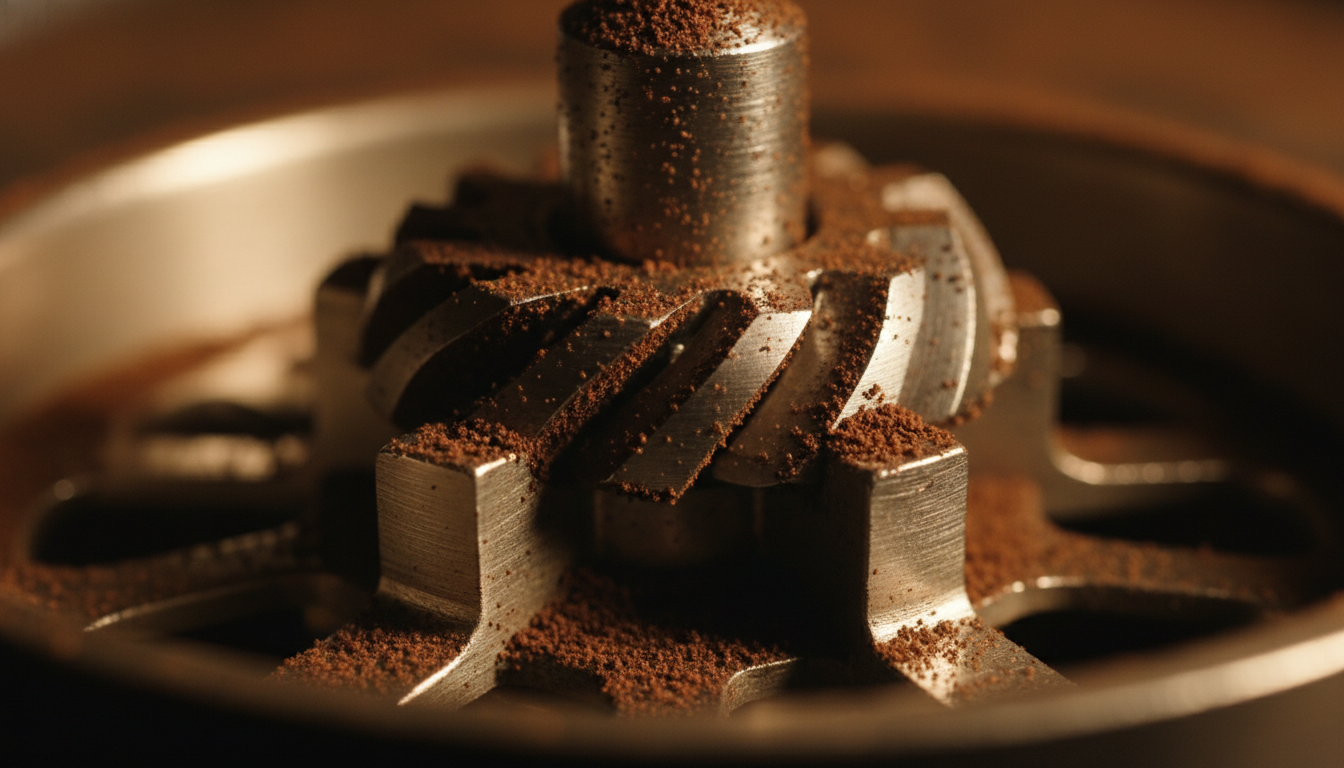
Fine grind = 25-30 second extraction. Adjust finer for slow extraction, coarser for fast extraction.
Espresso requires fine grind, similar to flour or talc powder. Grind size directly controls extraction time and flavor. Too fine causes choking (slow flow). Too coarse causes gushing (fast flow). Proper grind produces balanced, sweet espresso. The fastest way to apply this chart is alongside the how to dial in espresso guide, the espresso brew ratio guide, and the espresso water temperature guide.
💡 Key insight: Grind consistency matters more than grind size. Use burr grinder for uniform particle size.
This chart shows grind sizes from extra fine to coarse. Espresso requires fine grind, similar to flour or talc powder. For detailed extraction information, see the espresso extraction yield guide. If you are evaluating bean-specific changes, the best coffee beans for espresso guide helps explain why roast style changes the starting point.
Texture
Powder-like, talc consistency
Best For
Turkish coffee, not espresso
Espresso Result
Very slow extraction, choking
Adjustment Needed
Grind coarser
Notes: Too fine for espresso machines
Texture
Fine sand, flour-like
Best For
Espresso, moka pot
Espresso Result
Proper extraction (25-30 sec)
Adjustment Needed
Ideal for espresso
Notes: Standard espresso grind
Texture
Fine sand with slight texture
Best For
Light roasts, single-origin
Espresso Result
Slightly fast extraction (20-25 sec)
Adjustment Needed
Grind finer for slower extraction
Notes: For lighter, brighter espresso
Texture
Sand-like, granular
Best For
Pour over, AeroPress
Espresso Result
Too fast extraction (under 20 sec)
Adjustment Needed
Grind finer for espresso
Notes: Too coarse for espresso
Texture
Coarse sand, visible particles
Best For
Chemex, pour over
Espresso Result
Gushing, channeling
Adjustment Needed
Grind much finer
Notes: Way too coarse for espresso
Texture
Peppercorn-like, chunky
Best For
French press, cold brew
Espresso Result
Gushing immediately, no crema
Adjustment Needed
Grind much finer
Notes: Completely unsuitable for espresso
Use this guide to adjust grind size based on extraction time and taste feedback. For step-by-step dialing in instructions, see the how to dial in espresso guide. Inconsistent results usually also involve puck prep, so the espresso tamping technique guide should be part of the same workflow.
Root Cause
Grind too coarse
Solution
Grind finer (move dial to lower number)
✓ Slower extraction, more sweetness
Root Cause
Grind too fine
Solution
Grind coarser (move dial to higher number)
✓ Faster extraction, less bitterness
Root Cause
Under-extraction (grind too coarse)
Solution
Grind finer
✓ More balanced, sweeter flavor
Root Cause
Over-extraction (grind too fine)
Solution
Grind coarser
✓ Cleaner taste, brighter acidity
Root Cause
Inconsistent grind size
Solution
Use burr grinder, not blade grinder
✓ Consistent extraction and flavor
Grind consistency is as important as grind size. Burr grinders produce uniform particle size. Blade grinders produce inconsistent, uneven grinds unsuitable for espresso. For grinder recommendations, see the best burr grinder for espresso guide. Buyers comparing entry-level setups may also want the beginner grinder guide and the best espresso machine under $200 guide.
| Grinder Type | Consistency | Espresso Suitability | Recommendation |
|---|---|---|---|
| Burr Grinder | Uniform particle size | Excellent | Essential for espresso |
| Blade Grinder | Inconsistent, uneven | Poor | Not suitable for espresso |
| Manual Grinder | Very uniform (with effort) | Good | Good for espresso |
| Electric Burr Grinder | Uniform, consistent | Excellent | Best for espresso |
Different roast levels require slightly different grind sizes. Light roasts need finer grind for longer extraction. Dark roasts need coarser grind to avoid over-extraction. Those changes become easier to predict when you compare roast behavior in the best coffee beans for espresso guide and temperature choices in the espresso water temperature guide.
Recommended Grind
Fine (slightly finer than medium)
Extraction Time
28-32 seconds
Expected Flavor
Bright, acidic, origin-forward
Reasoning
Light roasts need longer extraction to develop sweetness
Recommended Grind
Fine (standard espresso)
Extraction Time
25-30 seconds
Expected Flavor
Balanced, sweet, full-bodied
Reasoning
Medium roasts dial in well at standard grind
Recommended Grind
Medium-Fine (slightly coarser)
Extraction Time
22-26 seconds
Expected Flavor
Bold, sweet, low acidity
Reasoning
Dark roasts over-extract easily; coarser grind prevents bitterness
Recommended Grind
Fine (standard espresso)
Extraction Time
25-28 seconds
Expected Flavor
Balanced, milk-friendly, sweet
Reasoning
Blends designed for espresso dial in at standard grind
Fine grind is powder-like with minimal texture. Medium-fine grind has slight texture and visible particles. Fine grind produces slower extraction (25-30 seconds). Medium-fine produces slightly faster extraction (20-25 seconds). Start with fine for espresso.
Grind size controls water flow rate through the coffee bed. Finer grind slows water flow, increasing extraction time. Coarser grind speeds water flow, decreasing extraction time. Proper grind size ensures balanced extraction and flavor.
Pre-ground coffee works but produces inferior results. Ground coffee loses aromatics quickly after grinding. Fresh-ground coffee produces noticeably better flavor, body, and crema. Grind immediately before brewing for best results.
If espresso extracts in under 20 seconds, grind is too coarse. If it takes over 35 seconds, grind is too fine. Proper extraction is 25-30 seconds. Taste feedback also helps: sour = too coarse, bitter = too fine.
Yes. Light roasts need finer grind for longer extraction. Dark roasts need coarser grind to avoid over-extraction. Medium roasts dial in at standard fine grind. Adjust based on roast level and taste feedback.
Step-by-step process for dialing in espresso shots using extraction time and taste.
Complete guide to selecting the best burr grinder for espresso extraction and consistency.
Understanding espresso extraction yield and how it impacts shot quality.
Covers the recommended grind settings for the DeLonghi Magnifica Evo when pulling espresso.